We Spend a Third of Our Lives Unconscious. Why?
Sleep doesn't seem like a great idea
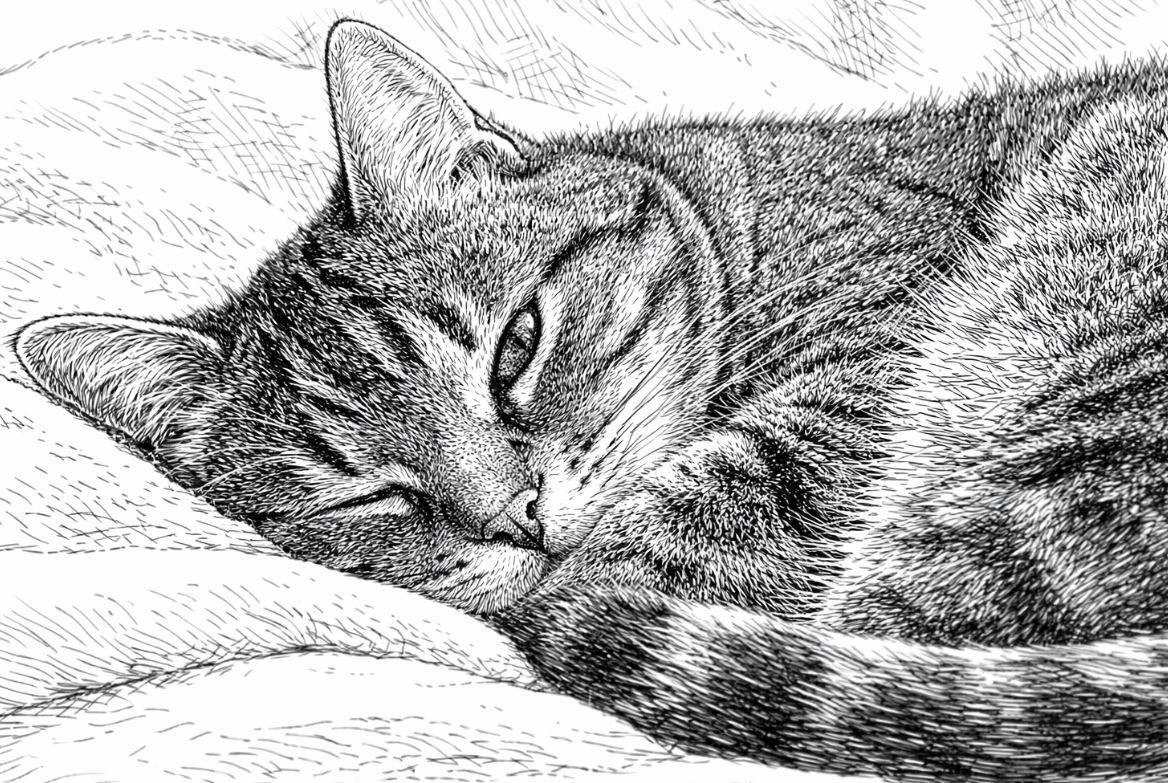
Most of us spend about eight hours each night, essentially losing consciousness and cut off from the world around us. Some animals sleep less, others more. Giraffes sleep only about four hours. And from my personal observation, the common house cat sleeps about 30 hours a day (quite an accomplishment since there are only 24 hours in a day).
Almost everything "sleeps"
On its face, the act of sleeping seems incredibly dangerous. Yet it is something nearly every animal does. Not just mammals, even the lowly fruit fly sleeps. Some animals go into lighter or semi-sleeping states but the point remains. Almost every creature, even those without a nervous system, has activity rhythms that resemble it. Even plants, while not sleeping, exhibit active and rest cycles, usually tied to day and night. Perhaps this eventually gave rise to sleep.
Scientific study provides clues as to why sleep exists. Research shows that waste products get cleared from the brain during sleep, and at the same time depleted components are replenished. Also, for higher life forms at least, sleep provides an opportunity for some sort of memory consolidation or neurological reset. The details are complex and theories not fully settled, but this gives the general idea (see Neuroscience of sleep - Wikipedia).
Dreams
Dreaming may be part of the neurological reset piece. Do dreams help us solve problems? Rarely consciously but they seem to do so subconsciously. Thankfully we usually forget these intense and often bizarre thoughts. If we clearly remembered them all, our minds might become filled with imagined memories that have little to do with reality.
Cooling off period?
Considering how more vulnerable we are when sleeping, there must be a pretty good reason for it to exist. If we use the survival of the fittest model, then somehow the advantages of sleep are greater than the disadvantages. Could our normal state of awakeness be unsustainable, essentially an "overdrive" condition? Perhaps we could be awake all the time, but running at a lower level of performance. One could argue that the trade-off is worth it, better to go all out for a period of time, followed by a period of rest.
For most creatures sleep is closely related to the day-night cycle. Although some are nocturnal, they just shift the time frame in which they sleep. As humans, we can adapt to all sorts of sleep situations (ask someone with a new baby).
Sleeping can keep us out of trouble
In some situations sleep may help keep an organism out of harm's way. Sleeping in a safe hidden spot instead of walking around groggy or slow while recharging would be another good reason to sleep. Although in an emergency we can usually become fully awake in seconds and put off sleeping until later.
Eliminating sleep
Imagine a pill was invented that eliminated the need for sleep with no side effects. Would you take it? Sleep is so important to us we devote a large piece of furniture to it, often an entire room of the house. Special clothing, long preparatory routines. It can be an enjoyable part of life that some actually look forward to. But if not required it could nearly double your effectiveness. It would even make it seem like you live longer.
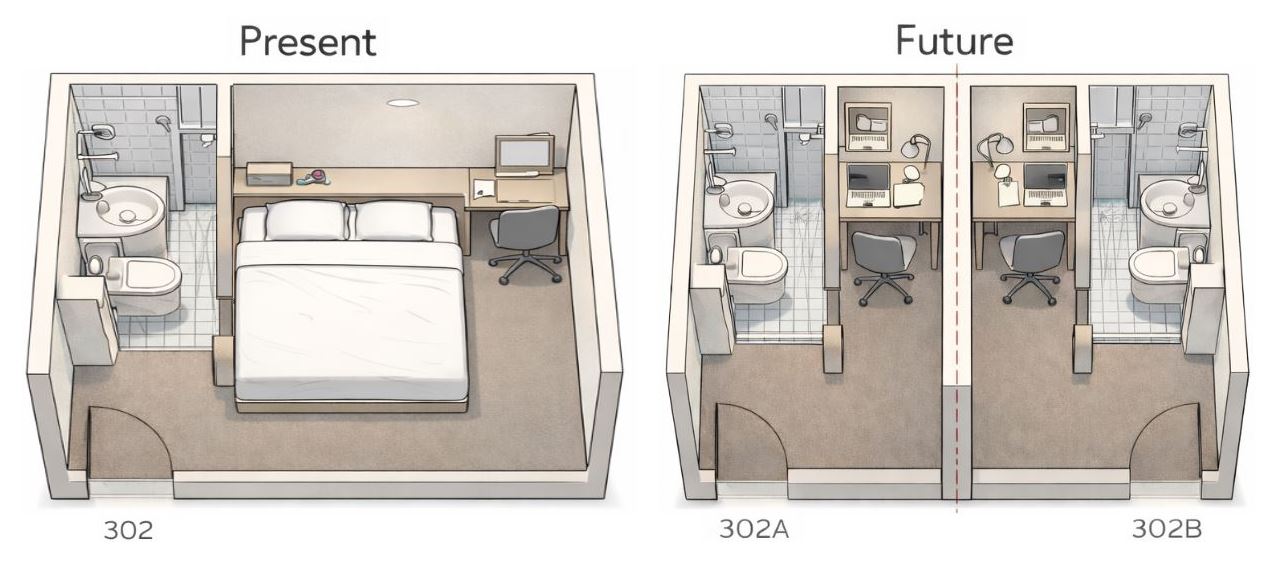
Hotel rooms might get a lot smaller. All you would need is a chair, a table, and a bathroom. Work habits might change, moving to something like 12 hours work, 12 hours off. It might take a while getting used to, but these pills might become popular.
On second thought, I think we should leave things as they are.
Related ideas:
Your Cat Is Your Cousin
The Awwww Factor: Why Things Feel Cute